
When it comes to cannabis strains that have made a significant impact on the market, Glue Strains stand out. Among these, Gorilla Glue has gained immense popularity for its potency, flavor, and versatility. In this article, we will explore the diverse range of Glue Strains, their characteristics, effects, cultivation methods, and why they have captured the hearts of both growers and consumers alike. From the origins of these sticky strains to the best practices for growing them, let’s dive into the sticky world of glue cannabis strains.
What Are Glue Strains?
Glue Strains are predominantly hybrid cannabis varieties that boast a high THC content, rich flavor profiles, and unique effects that make them stand out in the cannabis community. The name “Glue” is often associated with the Gorilla Glue strain, which has become synonymous with powerful, sticky buds known for their resin production. Glue Strains typically exhibit a combination of Indica and Sativa genetics, resulting in a balanced high that appeals to a wide range of users.
The Origins of Gorilla Glue
Gorilla Glue emerged in the cannabis scene not long after its introduction in the early 2010s. The strain was created by breeding Chem’s Sister, Sour Dubble, and Chocolate Diesel. The result was a potent hybrid that quickly gained a loyal following due to its impressive effects and high resin production, making it ideal for concentrates. Gorilla Glue has won several cannabis competition awards, further solidifying its status as a top-tier strain.
Characteristics of Glue Strains
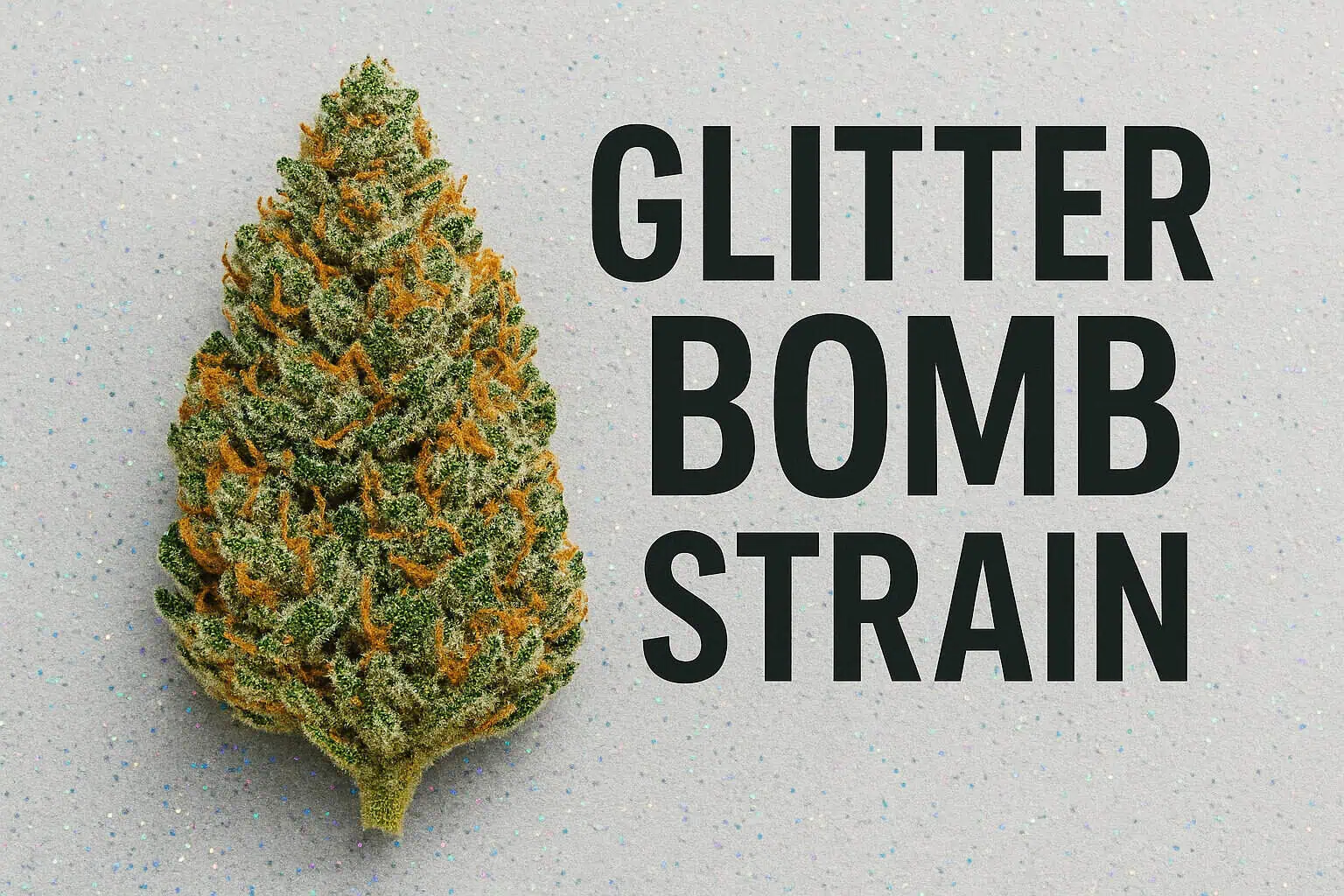
Glue Strains are known for their dense, resinous buds that often have a sticky texture. This stickiness is attributed to the high concentration of trichomes, which also contribute to the strain’s potency. The aroma and flavor profile of Glue Strains are typically complex, often characterized by earthy, piney, and sweet notes, with hints of chocolate and diesel. This unique combination makes them appealing to both recreational and medicinal users.
Effects of Glue Strains
The effects of Glue Strains are highly sought after. Users often report a euphoric and uplifting high that can promote creativity and relaxation. While initially energizing, the effects may transition into a calming body buzz, making them suitable for various situations, whether unwinding after a long day or en

gaging in creative tasks. The potency of these strains often results in a strong sedative effect if consumed in larger quantities, making moderation key for those unfamiliar with high-THC strains.
Medical Benefits of Glue Strains
In addition to recreational use, Glue Strains have gained recognition in the medical community for their therapeutic benefits. They are commonly used to alleviate symptoms such as chronic pain, anxiety, depression, and insomnia. The combination of uplifting and calming effects can help users manage stress and relax both mentally and physically. Additionally, the high THC content may stimulate appetite, making Glue Strains a popular choice for those undergoing treatment for illnesses that affect appetite.
Cultivating Glue Strains
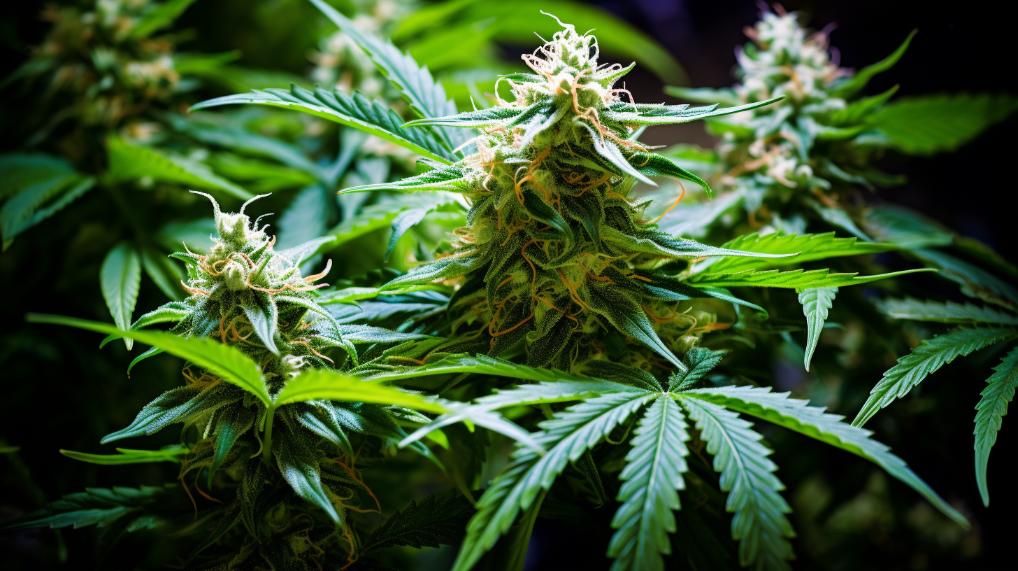
For growers, cultivating Glue Strains can be a rewarding endeavor. They tend to be resilient plants that thrive in various growing conditions. Whether you’re a novice or an experienced grower, Glue Strains can adapt well to indoor and outdoor environments. Here are some tips for successfully growing Glue Strains:
- Growing Environment: Glue Strains can flourish indoors and outdoors. Indoor growers can create a controlled environment with optimal lighting and climate, while outdoor growers should ensure ample sunlight and space.
- Nutrient Requirements: These plants benefit from a balanced nutrient regimen. During the vegetative stage, provide a nitrogen-rich formula, and switch to phosphorus and potassium-rich nutrients during the flowering phase to enhance bud development.
- Flowering Time: Glue Strains typically have a flowering time of around 8 to 10 weeks. It’s essential to monitor the plants closely during this period to ensure proper bud development and avoid any issues related to mold or pests.
- Training Techniques: Techniques like topping or low-stress training (LST) can help maximize yields and manage the canopy height, ensuring that all buds receive appropriate light exposure.
- Harvesting and Curing: Harvesting at the right time is crucial for preserving the strain’s unique effects and flavor. After harvesting, proper drying and curing are essential to provide the best smoking experience.
Popular Glue Strains Beyond Gorilla Glue
While Gorilla Glue is the most well-known representative of the Glue family, several other Glue Strains offer unique experiences:
- Gorilla Glue #4: Often simply referred to as GG4, this variant is famous for its super sticky buds and potent effects, making it a fan favorite.
- Gorilla Glue #5: A newer addition to the Glue family, featuring slightly different characteristics while maintaining the sticky and potent qualities of its predecessors.
- Chocolate Glue: This strain combines the legendary Gorilla Glue with a chocolatey flavor, offering a delicious twist on the classic stickiness.
- Gorilla Biscotte: A unique crossbreed that combines Gorilla Glue with Biscotti genetics, resulting in a flavor-packed strain with similar potency.
Conclusion
Glue Strains have taken the cannabis world by storm, thanks to their sticky nature, potent effects, and rich flavor profiles. From Gorilla Glue to its many variants, these strains have a unique place in both recreational and medicinal cannabis use. Whether you’re a grower or consumer, Glue Strains undoubtedly offer something special for everyone. As you explore the varied profiles and effects of these sticky strains, remember to consume responsibly and enjoy the journey through the sticky world of cannabis.