
Lodhi gardens Delhi: Entry fee, Best time to Visit, Photos & Reviews
They built many other buildings here during the rule of the Sayyids and Lodhis. It was made in 1517 by his son Ibrahim Lodi and is of great historical importance. Another important tomb in the area is Sikander Lodi from the Lodi Dynasty. This is where Lodhi Gardens, also known as Lodi Gardens, started. The garden is favored for cultural events, jogging, and picnics.
Being a lush garden, Lodhi Park holds the tombs of Sayyid ruler Mohammed Shah and Lodhi King Sikandar Lodhi. The tombs are oriented towards Mecca, the holy city of Islam. Later, Sikandar Lodi, the second ruler of the Lodi dynasty, expanded the garden and built his own tomb there in 1517. Lodhi Gardens is a 90-acre park that houses several monuments from the 15th and 16th centuries, belonging to the Sayyid and Lodi dynasties. Did you know that Lodhi Gardens is one of the oldest and largest public parks in Delhi, with a history that spans over 500 years?
A Comprehensive Guide to Post-Thesis Opportunities and Resources in Urban Design Free eBook
- Lodhi Garden boasts a rich history that stretches back centuries, intricately linked to the rise and fall of dynasties.
- There are boards indicating the tombs and other structures.
- As you enter from the parking, the Athpula Bridge would be right in front of you.
- Lodhi Gardens is not only a historical and cultural site, but also a recreational and educational one.
- The architectural heritage of around 500 years and the serene green setting make Lodhi Gardens a prime attraction in Delhi.
This section serves an educational purpose, promoting awareness about traditional gardening techniques and sustainable practices for preserving biodiversity." These trees not only provide shade for visitors seeking refuge from the scorching sun but also serve critical ecological functions by supporting local wildlife and offering habitats and nesting sites for birds and insects. Spanning approximately 90 acres; this expansive park boasts over 7,000 trees representing around 215 species alongside numerous flowering plants creating vibrant tapestry colors textures throughout the year. Lodhi Gardens serves not only as an archaeological treasure trove but also as an ecological haven teeming with biodiversity a vital aspect contributing towards overall environmental health urban areas like Delhi. The use of octagonal designs found prominently across various structures signifies influence derived from Persian architecture while intricate carvings showcase local artisans' skills blending indigenous styles with foreign techniques introduced through trade interactions and cultural exchanges over time. Unlike Mohammed Shah's tomb which has an open design featuring chhatris around it; Sikandar Lodi's tomb is enclosed with battlements adding an element of fortification a reflection on how power dynamics influenced architecture during this era.
Publication
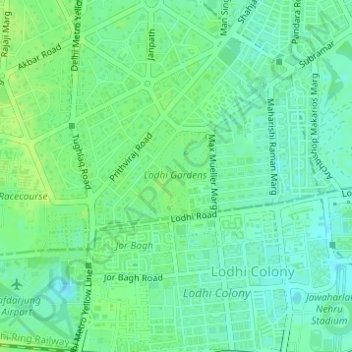
Alternatively, you can get a taxi or hire a private car for the day; instead of walking 600 metres, you will be dropped in front of the gardens. From there, walk north on Sri Aurobindo Marg and turn east on to Lodhi Road; the gardens will appear on the left. At the South End Road entrance to the gardens is a lovely stone bridge called Athpula (literally “eight piers”), said to date from the 17th century and is attributed to Nawab Bahadur, a nobleman at Akbar’s court. Sikander Lodhi’s tomb, built by his son in 1517, is also an octagonal structure decorated with Hindu motifs. In the middle of the garden facing the east entrance from Max Mueller Road is the largest of the structures, Bara Gumbad (“Big Dome”), a mosque built in 1494. If you plan to visit Lodhi Garden, avoid the weekends for a more peaceful outing.
- The gardens can become crowded during weekends and holidays, so weekday visits often provide more tranquil experiences for those seeking peace and contemplation.
- Yes, Lodhi Garden of Delhi is open all 7 days of the week.
- The garden is, from sunrise to sunset, one of the most beautiful places for photography with such great backdrops.
- Boasting of impressive architecture and impeccable natural beauty, the garden and the structures within it echo the national capital’s illustrious tryst with history.
- The Lodhi Garden ticket price is ₹0.
- The different varieties of birds which visit this place include parrots, mynas, kingfishers, and owls.
Keeping a few things in mind before visiting will make the visit seamless. Besides that, Khan Market, the Humayun’s Tomb, and the Lodhi Estate are worth visiting. The India International Centre, located approximately 500 meters from the Lodhi Garden, is a cultural center that hosts various events and seminars. Near the Lodhi Gardens, there are several opportunities for sightseeing and tasting Delhi’s native cuisines. Even now, the battlements may be found in this tomb.
Families gather for picnics on the sprawling lawns, children laugh and play on the playgrounds, and couples steal quiet moments of romance amidst the tranquil beauty of the gardens. Yet, Lodhi Garden is more than just a repository of historical artifacts; it is a vibrant ecosystem teeming with life and vitality. Ancient monuments, dating back to the 15th century, dot the landscape, their weathered facades bearing testament to the architectural prowess of eras long past. The gentle rustle of leaves and the melodious chirping of birds provide a soothing soundtrack to accompany one’s leisurely stroll through the park’s verdant landscape. Standing as silent witnesses to centuries of history, the Bada Gumbad and Mosque complex within Lodhi Gardens beckons you with its understated grandeur.

The winter months offer the most pleasant conditions for extended visits, with comfortable temperatures encouraging longer stays and more thorough exploration. The monsoon season brings its own magic to Lodhi Gardens, with rain refreshing the landscape and creating lush green conditions. Spring transforms Lodhi Gardens into a festival of colors and fragrances as flowering trees and plants burst into bloom. Different viewpoints and approaches reveal various aspects of the architectural details and overall compositions. The changing light throughout the day creates different moods and visual opportunities, encouraging extended visits and repeat photography sessions.
Tips for Visiting Lodhi Garden Delhi
The tomb architecture is beautiful and includes domes, arches, and elaborate carvings. The old monuments merge with the greenery creating an antique feel to the park. The lush lawns, flowerbeds, and heritage monuments make it both a historical landmark and a peaceful escape from the chaos of Delhi. Both metro stations are located around 1.8 km from Lodhi Gardens. This garden was renamed after Independence as the Lodi Garden or Lodhi Garden.
This site has many architectural wonders that date back to the 15th and 16th centuries. Lodhi Garden is open throughout the week. This is a haven of greenery and history located at the heart of Delhi that provides an oasis from the whistle-whirl itself. It depends on when you visit! Once you are done exploring the attractions within the park, head out to the nearby Khan Market and shop to your heart’s content. Many groups and organizations in Delhi conduct heritage walks in this garden.
Visiting the National Bonsai Park:
It’s also a popular place for photographers to take pictures of the natural beauty and the building wonders of the park. Lodhi Gardens is a peaceful place where you can do many different things. There are organized tours for people who want to learn more about the past and the meaning of Lodhi Gardens. From Lodhi Garden a high path, people can see these beautiful animals without disturbing their natural environment.